


Utilisez les numéros de pièce, les dimensions, les données de filetage et les détails d'application pour vérifier un élément de filtre de remplacement sans compter sur un seul numéro.
Introduction
Un numéro de pièce de filtre est un point de départ important lorsqu'un élément de remplacement est nécessaire, mais il n'est pas toujours suffisant pour confirmer une correspondance sûre. Les systèmes de numérotation changent, les suffixes identifient différentes versions et des filtres similaires peuvent partager un nom de famille tout en utilisant différents médias, joints, dimensions ou cotes de pression.
Un processus de renvoi responsable compare le numéro existant avec le produit physique, l'application de l'équipement et les performances requises. Il documente également d'où proviennent les informations. Cette approche réduit le risque de commander un filtre qui convient au logement mais qui ne protège pas le système.
Ce guide explique comment recueillir les bonnes informations, comment comparer un numéro de pièce de filtre à un remplacement possible et quand un dessin ou un échantillon physique doit être demandé.
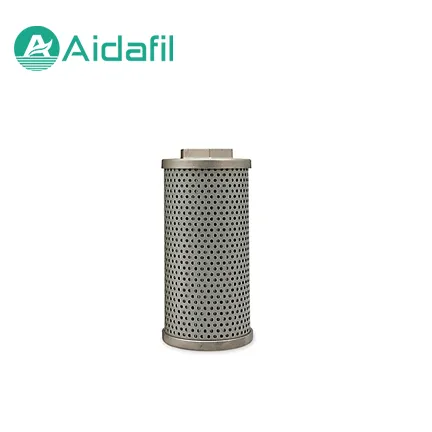
Ce qu'un numéro de pièce de filtre peut et ne peut pas vous dire
Un numéro de pièce peut identifier une famille de produits, une taille nominale, une filtration, un style de connexion ou une configuration interne. Dans certains cas, il indique également la version ou la série de production du fabricant. Cependant, le même numéro peut être écrit avec différents préfixes, suffixes, espaces ou ponctuation. Un numéro imprimé sur une ancienne étiquette peut faire référence à un article remplacé.
Un seul numéro de pièce ne peut généralement pas confirmer:
1.L'arrangement d'étanchéité exact
2.La spécification actuelle des médias
3.The element's collapse pressure
4.Les exigences de débit et de pression de l'application
5.Qu'un remplacement précédent ait changé la configuration originale
6. Que le boîtier du filtre lui-même ait été modifié
Pour ces raisons, les renvois doivent être traités comme un processus de vérification plutôt que comme une simple recherche de texte.
Recueillir correctement le numéro de pièce existant
Enregistrez le nombre exactement tel qu'il est imprimé, y compris les lettres majuscules, les tirets, les barrettes, les décimales et les suffixes. Prenez une photo de l'étiquette, du marquage ou de l'emballage avant de nettoyer ou de manipuler l'élément. Si le nombre est difficile à lire, utiliser plus d'un angle de lumière et ne pas écraser le marquage original.
Vérifiez si le numéro apparaît à plus d'un endroit. Une étiquette peut indiquer un numéro de vente alors que le plafond final indique un numéro de production. Notez les deux sans supposer lequel est la référence principale.
If the number is missing, do not invent a substitute based on appearance. Move to dimensional and application verification.
Gather the Physical and Operating Data
A reliable cross-reference record should include:
1.Original part number and any superseded number
2.Product photographs from several angles
3.Overall height, outside diameter, and inside diameter
4.Thread, connection, and sealing details
5.Filtration rating and whether it is nominal or absolute
6.Filter media type
7.Seal material
8.Flow rate and normal operating pressure
9.Maximum differential pressure or collapse requirement
10.Fluid type, viscosity, and temperature
11.Equipment model and filter location
If the filter is still installed, record the housing markings and the surrounding connection details. If the system has been modified, note the modification rather than assuming the original drawing still applies.
Understand the Difference Between a Part Number and a Cross-Reference
A part number identifies one manufacturer's item. A cross-reference is a relationship between that item and another product or reference number. A cross-reference can be useful, but it is only as reliable as the source and the data behind it.
A number may cross to several possible products because the original family had multiple configurations. One entry may match the dimensions but use a different media. Another may match the media but have a different seal. A proper comparison should show which attributes were confirmed and which remain uncertain.
Do not describe a product as an official, genuine, or authorized replacement unless that status is supported by the relevant manufacturer. For independent aftermarket products, use clear language such as compatible replacement option and confirm the final fitment through technical data.
A Practical Cross-Reference Workflow
Step 1: Normalize the Number
Remove only formatting that is clearly not part of the number, such as spaces added by a label printer. Keep suffixes and punctuation if they may carry meaning. Record the original form beside the normalized form.
Step 2: Search by Number and Variants
Check common variants, including a missing leading zero, a different separator, or a superseded suffix. Do not treat a search result as confirmation until the physical details agree.
Step 3: Compare Primary Dimensions
Compare height, outside diameter, inside diameter, and connection details. If any primary interface is different, stop and investigate before proposing a replacement.
Step 4: Compare Performance Data
Check filtration rating, media, flow capacity, pressure rating, temperature range, and seal compatibility. Confirm whether the existing application requires a specification that is not visible on the old element.
Step 5: Check the Installation Interface
Review seal contact surfaces, center-tube engagement, end-cap shape, bypass arrangement, and orientation. A filter can appear to fit while failing to seal or locate correctly.
Step 6: Document the Result
Record which attributes matched, which were obtained from a drawing, and which remain unverified. This is especially important when the customer needs a repeatable procurement reference.
Step 7: Confirm Before Ordering
Ask the supplier to state the basis of the cross-reference. If the information is incomplete, request a dimensional check or a sample review rather than relying on the number alone.
When a Drawing or Physical Sample Is Needed
A drawing or sample is often appropriate when the element is damaged, the marking is missing, the housing has been modified, or two products share similar dimensions. It is also useful for high-value equipment, critical hydraulic circuits, and applications where a filter failure could cause significant downtime.
A sample should be clean enough for safe handling and clearly labeled with the equipment model and operating issue. Do not send a contaminated element without following the applicable safety and shipping requirements.
Common Cross-Reference Mistakes
One common mistake is treating a web search result as an approved interchange. Another is ignoring a suffix because the main number appears to match. Teams also compare only the outside diameter and overlook the inside diameter, seal profile, or thread pitch.
A further risk is mixing a replacement into a system without confirming the required filtration rating. A filter that is physically compatible but has the wrong media or efficiency may allow particles to pass or may clog too quickly.
Finally, avoid using brand names in a way that suggests affiliation, authorization, or original-manufacturer approval. Use the reference number only to identify the item being compared.
Information to Send with an Inquiry
For a faster review, send:
11.The original part number and equipment model
12.Photos of the complete element and both ends
13.Height, outside diameter, and inside diameter
14.Thread and connection information
15.Filtration rating, media, and seal material if known
16.Operating pressure, flow, temperature, and fluid type
17.The reason for replacement and any symptoms observed
If the part number is unreadable, say so directly. A clear dimensional record is often more useful than an uncertain number.


